|

|
|
|
|

|

|

|

|

|
 5
5


 1
3
1
3
author of "Wild Plants of Greater Seattle", "Trees of Seattle" and several other books. More info at http://www.arthurleej.com/
1
Julie Charette Nunn, Crow's Daughter
Nourishment~Common Herbs~Wise Woman Ways
www.crowsdaughter.com
www.crowsdaughtersherbs.blogspot.com
1
1
1
lkz5ia wrote:
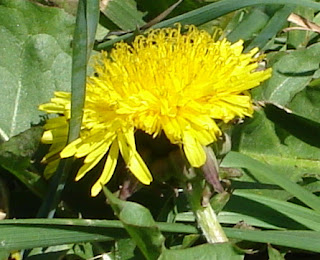
I like eating dandelion flowers. I have video link of eating some things that included dandelion flower.
http://www.youtube.com/watch?v=T35Snp-dffA
 yep, I forgot to put the warning: I'm a professional, do not try these stunts at home without proper identification of the plants. 2
1
2
yep, I forgot to put the warning: I'm a professional, do not try these stunts at home without proper identification of the plants. 2
1
2
 1
1
Brenda
Bloom where you are planted.
http://restfultrailsfoodforestgarden.blogspot.com/
My Blog, Natural History and Forest Gardening
www.dzonoquaswhistle.blogspot.com
"Listen everybody, to what I gotta say, there's hope for tomorrow, if we wake up today!" Ted Nugent
"Suck Marrow" Henry D Thoreau
1
2
2
doughpat wrote:
On another note, I'm curious how chicken tractors change the balance of ground covers. After a couple of hard weeks of scratching, pecking, etc., do people see an increase in grass species, broadleaves, or others? Maybe there is little net effect?
Fried dandelions....heehee...awesome. Tomorrow's appertif
Ryan
TCLynx
TCLynx
2
2
The ultimate goal of farming is not the growing of crops, but the cultivation and perfection of human beings. - Masanobu Fukuoka
http://www.greenshireecofarms.com
Zone 5a in Central Ontario, Canada
1
2
Dan wrote:It seems that chicken physiology seems to result in high concentrations of Boron in chicken manure.
"the qualities of these bacteria, like the heat of the sun, electricity, or the qualities of metals, are part of the storehouse of knowledge of all men. They are manifestations of the laws of nature, free to all men and reserved exclusively to none." SCOTUS, Funk Bros. Seed Co. v. Kale Inoculant Co.
1
land and liberty at s.w.o.m.p.
www. swompenglish.wordpress.com
Missoula Massage
Lawrence London
lfljvenaura@gmail.com
EcoLandTech
http://ecolandtech.blogspot.com
http://ibiblio.org/ecolandtech
Kelda O. wrote:
Agreed: dynamic accumulator which is a low-maintenance medicinal and ornamental herb.
Lawrence London
lfljvenaura@gmail.com
EcoLandTech
http://ecolandtech.blogspot.com
http://ibiblio.org/ecolandtech
2
dirtfarmer wrote:
I wonder of there is anywhere you can buy seeds of the wild variety.
dirtfarmer wrote:
What does it accumulate or does it hyperaccumulate anything, minerals, N, P, K calcium?
find religion! church
kiva! hyvä! iloinen! pikkumaatila
get stung! beehives
be hospitable! host-a-hive
be antisocial! facespace
tel jetson wrote:
seems like it would be difficult to sell something that's so widely available for free.
Lawrence London
lfljvenaura@gmail.com
EcoLandTech
http://ecolandtech.blogspot.com
http://ibiblio.org/ecolandtech
1
Synergy wrote:
dirtfarmer, as long as you have assessed your present and potential future uses of your land adding more biodiversity is terrific . I seeded every mole hill with red clover and introduced herbs and medicinal trees . I will add a cautionary note here that ground ivy has some level of toxicity , certainly to horses.
Lawrence London
lfljvenaura@gmail.com
EcoLandTech
http://ecolandtech.blogspot.com
http://ibiblio.org/ecolandtech