
|

|

|

|

|

|
|
|
|
|
|
|
|

|

|

|
.png)
|

|
 1
1


 1
1
1
1
[img]http://i109.photobucket.com/albums/n52/havlik1/permie%20pics2/permiepotrait3pdd.jpg[/img]
"One cannot help an involuntary process. The point is not to disturb it. - Dr. Michel Odent
1
1
 I wonder how much time elapsed over the course of that video? it says they eat chicken poo also??!!! maybe I need to start a black fly larvae business and use all poo from the chicken farms around here.
[img]http://i109.photobucket.com/albums/n52/havlik1/permie%20pics2/permiepotrait3pdd.jpg[/img]
"One cannot help an involuntary process. The point is not to disturb it. - Dr. Michel Odent
[img]http://i109.photobucket.com/albums/n52/havlik1/permie%20pics2/permiepotrait3pdd.jpg[/img]
"One cannot help an involuntary process. The point is not to disturb it. - Dr. Michel Odent
1
[img]http://i109.photobucket.com/albums/n52/havlik1/permie%20pics2/permiepotrait3pdd.jpg[/img]
"One cannot help an involuntary process. The point is not to disturb it. - Dr. Michel Odent
2
1
1
1
1
Check out my Primal Prepper blog where I talk about permaculture, prepping, and the primal lifestyle... all the time! 
1
find religion! church
kiva! hyvä! iloinen! pikkumaatila
get stung! beehives
be hospitable! host-a-hive
be antisocial! facespace
1
~ I don't talk to people with closed minds; They tend to harbor brain fungus. ~
 1
1
find religion! church
kiva! hyvä! iloinen! pikkumaatila
get stung! beehives
be hospitable! host-a-hive
be antisocial! facespace
1
~ I don't talk to people with closed minds; They tend to harbor brain fungus. ~
1
find religion! church
kiva! hyvä! iloinen! pikkumaatila
get stung! beehives
be hospitable! host-a-hive
be antisocial! facespace
2
Nicholas Covey wrote:
I emailed the author of the site that Paul referenced. He said that what's best is to let the residue build up and then scoop it out and feed it to earthworms after all the larvae have left. From the looks of things you could put an immense amount of kitchen scraps/restaurant waste into one of these and they would break it down to next to nothing.
1
stalk_of_fennel wrote:
If you do this you will cause your worm bin to become a black soldier fly breeding ground unless you can keep the soldier flies out. It's not easy. I've got a worm bin and a soldier fly bin. Yes, the worms love the soldier fly residue but if you end up with soldier flies in your compost bin they will out compete your worms for the food and you won't end up with any worm compost worth a crap.
1
natschultz wrote:
How big are the larvae? Can you sift them out from the compost before putting in the worm bins? Or are they too easy to miss? Maybe you can transfer the sifted compost to an empty BSF bucket with the entrance holes blocked (so new larvae don't enter) for a few days first, just to make sure they are all gone?
1
stalk_of_fennel wrote:
Making sure they're all gone is one thing. The thing I'm worried about is that the BSF residue/compost (it's not really compost) smells of black soldier fly pheromones and will attract new black soldier flies to invade and lay eggs in your worm bin.
find religion! church
kiva! hyvä! iloinen! pikkumaatila
get stung! beehives
be hospitable! host-a-hive
be antisocial! facespace
1
tel jetson wrote:
if all the food for the soldier flies is gone, they'll still lay eggs in the stuff they leave behind?
 1
1
stalk_of_fennel wrote:
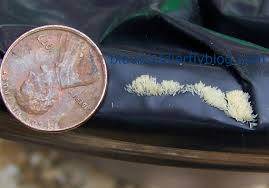
I'm pretty sure they will. The smell of soldier flies attracts other soldier flies to lay their eggs there. They also don't lay their eggs in the 'compost'. They lay hundress of tiny eggs above the mess. As they hatch they fall/crawl down into the 'compost'.
eggs
find religion! church
kiva! hyvä! iloinen! pikkumaatila
get stung! beehives
be hospitable! host-a-hive
be antisocial! facespace

| I agree. Here's the link: https://woodheat.net |


