Kali De Keyser wrote:Hello R Scott,
Well I'd rather move compost from a bin than remove soil - it seems easier to me and surely less disturbing to soil and plant life... the garden is full of plants : melissa, rhubarb, raspberry, redcurrant, roses, ferns and as the season advances, I will surely discover new plants.
We also plan to dig into the garden to put a water tank but that is another project...
I had annual veggie beds in my mind. It’s definitely a non starter for perennials. I just thought it could be a once a decade job instead of a once a week job. Plus you could probably get the person getting the soil to do most the heavy work.
I’m sure they passed it off as weight savings. Heck, the passenger seat might be OPTIONAL. The Dodge Hellcat had configurations where the back and (I think) passenger seat were optional.
I can’t believe I’m suggesting it because it sounds so unlikely to ever happen to me, but you may want to remove soil from your garden beds. Take that soil to the farm or sell/barter/give it to neighbors that need it for their gardens. Then compost at your home. When the beds get too tall or rich in ten years or so, repeat.
How big of a paddock are you trying to use? What kind of wire are you using?
I haven’t bought out even looked at energizers in years, but the last time I bought a good 12v energizer, a marine battery, and a small solar panel, plus a jogging stroller from goodwill. All that was still half the price of the equivalent solar charger.
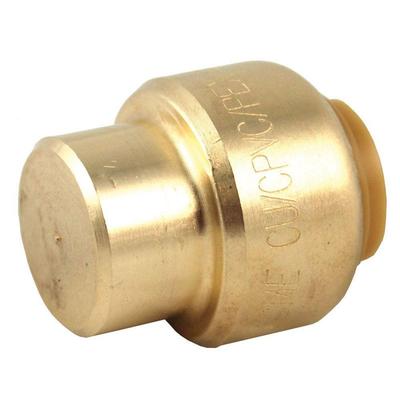
Timothy Norton wrote:A friend of mine gave me a recommendation that I love. He keeps a couple sharkbite end cap fittings on hand for the standard size pipes in his house. In the event there is an issue with a leak AND the controlling valve fails, you could cut the pipe and quickly stop the flow by popping on the sharkbite. This gives you time to properly fix the issue without flooding out your space.
For those who are unfamiliar with sharkbites, they are a product that you push onto a pipe to make a tight seal. No sweating or pro-pressing needed.
Sharkbite End Cap
Yup. And let you plug the leak and turn the rest of the house back on so you can wait until normal business hours.
1/2 with two stage regulator should work. Everything is 3/4 these days just because.
I’d be more concerned that the line in the house is big enough if the runs are long. I had issues with a large stove in my last house, and on demand water heaters often need 1” black pipe if they aren’t close to the regulator.
There are many such systems, but most are not much more than heat tape and a few clips to hold it. Earthships in the high desert do this, as much of their water comes as snow and will sublimate in the sun and not make it to the cistern without the melting system.
How much do you intend to interact with the orchard in the first 5-10 years? I’d make sure the brush is knocked down enough to walk EASILY if you want to do anything before it decays.
Rebar in the columns might have avoided that damage, but it probably would have cracked rafters and punched metal. definitely would have made any repair harder/more expensive.