|

|
|
|
|

|
.png)
|

|

|

|
 3
3



 While it is considered to be something safe to ingest, it is also recommended for use as a laxitive. And, frankly, I just don't like the idea of eating petroleum products.
2
While it is considered to be something safe to ingest, it is also recommended for use as a laxitive. And, frankly, I just don't like the idea of eating petroleum products.
2
paul wheaton wrote:
Wouldn't olive oil turn rancid?
[img]http://i109.photobucket.com/albums/n52/havlik1/permie%20pics2/permiepotrait3pdd.jpg[/img]
"One cannot help an involuntary process. The point is not to disturb it. - Dr. Michel Odent


QuickBooks set up and Bookkeeping for Small Businesses and Farms - jocelyncampbell.com
"the qualities of these bacteria, like the heat of the sun, electricity, or the qualities of metals, are part of the storehouse of knowledge of all men. They are manifestations of the laws of nature, free to all men and reserved exclusively to none." SCOTUS, Funk Bros. Seed Co. v. Kale Inoculant Co.
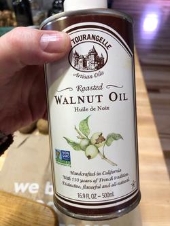
Thanks! Now I know the point, and I have walnuts, so I'll give it a go! The spoon/cutting board has to be "cured" before it is used?
"the qualities of these bacteria, like the heat of the sun, electricity, or the qualities of metals, are part of the storehouse of knowledge of all men. They are manifestations of the laws of nature, free to all men and reserved exclusively to none." SCOTUS, Funk Bros. Seed Co. v. Kale Inoculant Co.
"the qualities of these bacteria, like the heat of the sun, electricity, or the qualities of metals, are part of the storehouse of knowledge of all men. They are manifestations of the laws of nature, free to all men and reserved exclusively to none." SCOTUS, Funk Bros. Seed Co. v. Kale Inoculant Co.

"the qualities of these bacteria, like the heat of the sun, electricity, or the qualities of metals, are part of the storehouse of knowledge of all men. They are manifestations of the laws of nature, free to all men and reserved exclusively to none." SCOTUS, Funk Bros. Seed Co. v. Kale Inoculant Co.
"the qualities of these bacteria, like the heat of the sun, electricity, or the qualities of metals, are part of the storehouse of knowledge of all men. They are manifestations of the laws of nature, free to all men and reserved exclusively to none." SCOTUS, Funk Bros. Seed Co. v. Kale Inoculant Co.
"the qualities of these bacteria, like the heat of the sun, electricity, or the qualities of metals, are part of the storehouse of knowledge of all men. They are manifestations of the laws of nature, free to all men and reserved exclusively to none." SCOTUS, Funk Bros. Seed Co. v. Kale Inoculant Co.
We live in Nashville, Tennessee, USA
www.permavations.com
.
www.thehappypermaculturalist.wordpress.com
garyd wrote:
I just got an old used butcher block with legs. Do I need to sand the top and then cure it with walnut oil or will just cleaning it with soap and water really good them disinfecting it with a diluted clorox solution be enough before oiling it? The top is smooth with no cut marks.
1
s starr wrote:As for wooden spoons and such one can oil it with coconut oil also as it doesn’t go rancid .
~hugsnprayers~ Cyndi

|
Live large! And I'm talking to you tiny ad!
building a better world rather than being angry at bad guys
https://wheaton-labs.com/bootcamp
|